

Reading in Public No. 100: Seven takeaways from 100 editions of reading in public
Today I’m celebrating the 100th edition of Reading in Public. This series came into being three years ago from my belief that how we read is as important—if not more important—that what we read. While I will never stop sharing what I read, and I know that’s the reason many people are here, I’m grateful to have a space where I can mull over the how.
The goal of this series is not to instruct but to model. The act of reading is fascinating in part because while we can easily discuss books themselves with other readers, knowing exactly what happens in someone else’s mind as they encounter language on a page is impossible. And so as I reflect on how I critically process, track my books, choose what to read, determine a book’s merit, and more, I’m not instructing you to do the same. Rather in attempting to demonstrate my own metacognition, my hope is that is spurs others to consider how reading works in your unique mind.
And yet while Reading in Public is not an instruction manual, there are some things I’ve learned while writing the series and reading your comments that I do believe apply to most, if not all, avid readers. In celebration of 100 editions, I’m sharing seven Reading in Public takeaways that I believe have the most potential to transform your reading for the better. I’m also asking you what you hope to see as this series continues and your favorite posts so far!

Know why you read
If I had to choose the single most important thing for transforming your reading life, it is to know why you read. Knowing why you read helps you choose interesting books, read them in the best way for you, find the right book clubs, discover your ideal recommendation sources…literally all of it. I’ve written about this at length so I won’t rehash it all here, but if you’re going to revisit one post of mine, make it this one:
Consider yourself a reader
One of the best parts of this job is meeting (virtually and when I’m lucky in person) so many people who strongly identify as readers. But out in my day-to-day life, I talk to a lot of people who tell me something along the lines of “I like to read but I’m not really a reader.” If that is you, please hear me loud and clear when I say that if you read, you are a reader. It doesn’t matter if you read 3 books a year or 300, you are a reader if you read. And once you accept the identity of reader, you start think think more about your identity as a reader, which allows you to take your own taste seriously and make time for reading in your life.

Have a method for marking
It’s well-documented that I have complicated feelings about tracking books. But in discussing with many of you, I’ve realized what I take issue with more than tracking reading is the goal of hacking reading (more on this another day). In fact, I’ve become increasingly convinced that some sort of tracking, marking, or commemorating each book read improves reading satisfaction. Whether you mark your books in Storygraph, develop your own elaborate spreadsheet, keep a private reading journal, or have a reader friend whom you text whenever you finish a book, having a method of declaring “I read this” helps us remember what we read and gives us some closure on one book before beginning another. Additionally, I’ve notice that readers who have some process for logging/marking/tracking/noting the books they’ve read are more likely to define themselves as readers, which—as discussed—can make a world of difference.
Stay attuned to your reading bandwidth
It’s a simple fact that some books require more of their readers than others. There are books that take you by the hand and pull you along through every plot twist, character revelation, and thematic development and there are books that intentionally obfuscate, practically insisting that you read them a second time to have any hope of understanding. To find satisfying reading experiences, it’s important to gauge how much you’re willing and able to put in on your end. Is this effort work? Some might think of it that way. But I tend to think of any reading experience as a relationship between the author and the reader meeting each other on the page. Sometimes I pick up a book and realize I just don’t have the bandwidth to put effort into that relationship. Other times I want a challenge and get annoyed if I feel like the author is pandering to me. Misaligned expectations on what is required of a reader can completely derail a reading experience in either direction. Knowing how much you’re willing to give any book saves everyone from disappointment.
Meet your book where it is
We all read for different reasons and why we read impacts both what and how we read. Many readers read primarily for entertainment and the most important question is “am I enjoying this?” If that’s you, that’s wonderful! But if you do want to read critically, the easiest and most satisfying question to introduce into your reading is “what is this book trying to do or say?” This question is subjective, there’s no single right answer. It’s open-ended and can lead to many surprising conclusions. And merely considering it—even without arrive at a conclusion—will lead to a deeper, more memorable reading experience. It’s the definition of low-effort, high-reward critical thinking. Side note: this is also a great question to bring to your book club if you want to spend more time talking about the book.
Read outside your comfort zone
I hear from a lot of readers who are in the process of trying to define and articulate their taste so that they can choose better books for themselves. This is a great practice, and something I love to engage in as well. However, I also consistently notice that the books readers cite as their bests and favorites are the books that surprised them in some way. Finding a book that surprises us in how much we love it is almost always more memorable than loving a book we thought we were going to love. For this reason, if you read a lot, I highly recommend picking up books here and there that are outside your typically reading taste. The risk might be greater, but the possible reward is too.
Find your reading community
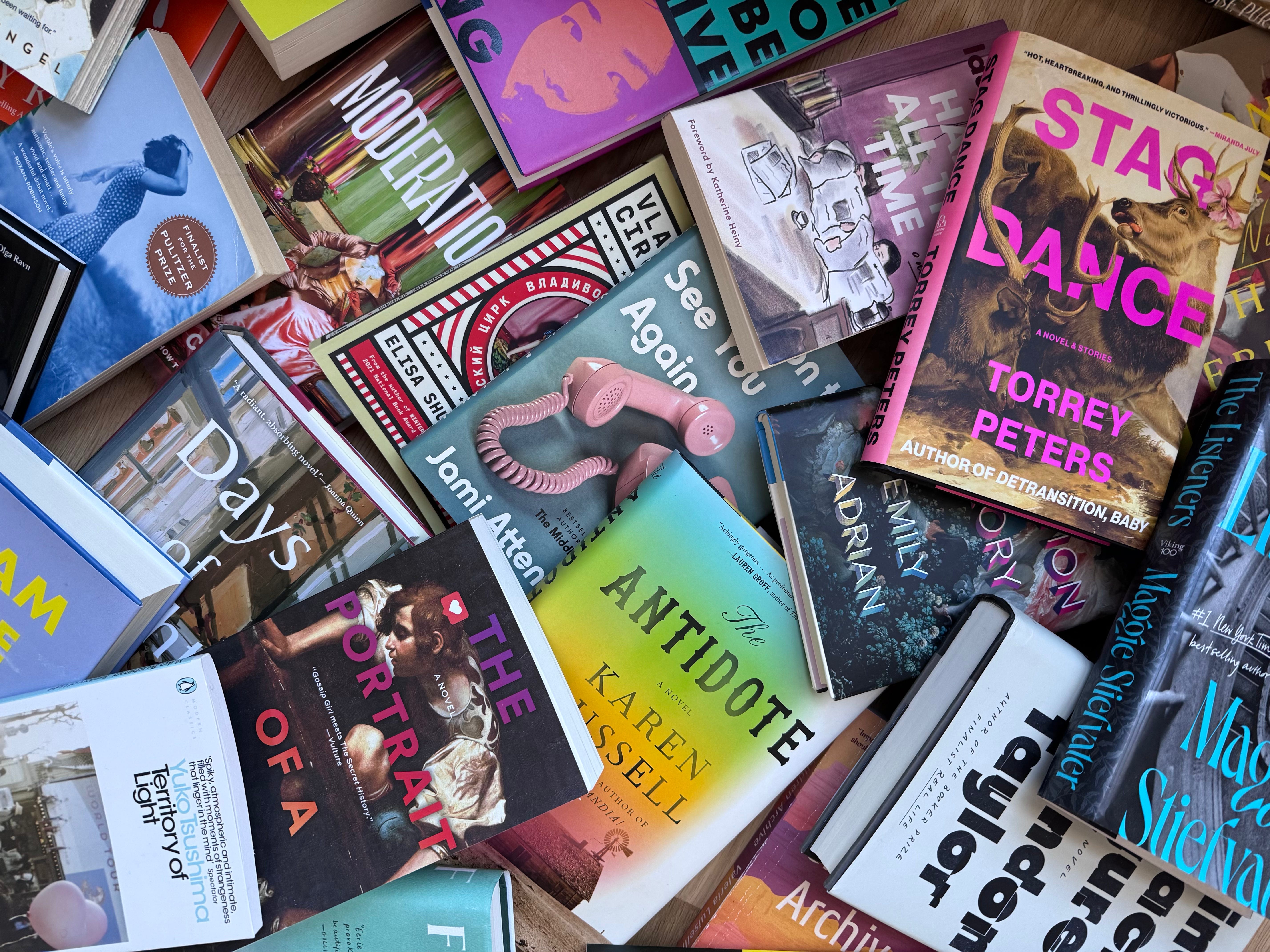
As a kid and even a young adult, reading felt like a very private activity. I didn’t like talking about the books I read, even with other avid readers, because they felt to personal and precious. But now I can’t image reading in such isolation—my reading life is so much more satisfying now that community is part of it. I love deep, rigorous conversations about books, especially amongst readers who disagree. I love putting the books that move me into the hands of other readers and getting recommendations from those readers in return. I love rethinking my own views on how I approach reading and being challenged to push myself outside my comfort zone. My advice to you is to take your reading why and use that to find a community of readers who will support you in your reading journey. I promise you that having other readers in your life is transformative for your reading—and your life.

Celebrate 100 editions of Reading in Public with me!
Readers, I want to know what your biggest takeaways from Reading in Public have been. Whether you’ve learned something new, staunchly disagreed with me, started thinking about reading in a new light, or seen yourself reflected in a post,I want to know about it!
Tell me about your favorite Reading in Public essays and takeaways in the comments below! And if you have ideas for where you’d like to see the series go or topics you want me to return to, please share those as well!
More from the archive
These posts didn’t fit into one of my major takeaways, but they’re pieces I’m proud of and that I think offer additional insight into what Reading in Public has become.
For questions, comments, or suggestions, please don’t hesitate to reach out by emailing fictionmattersbooks@gmail.com or responding directly to this newsletter. I love hearing from you!
This email may contain affiliate links. If you make a purchase through the links above, I may earn a small commission at no additional cost to you.
If you enjoyed today’s newsletter, please forward it to a book-loving friend. That’s a great way to spread bookish cheer and support the newsletter!
Happy reading!