Reading in Public No. 104: Why do we save the good stuff?
One of the most ubiquitous annual goals and intentions I see from people who share these sorts of things online is “don’t save the good stuff.” So many of us have a tendency to keep our favorite clothing hanging unworn in the closet, the wedding china pristine in the cabinet, and that good bottle of wine sitting out collecting dust. I like the goal of not saving the good stuff because it’s a reminder that how we spend our days is how we spend our lives and we should wear, use, imbibe, and enjoy what we really love.
In the reading life, some of us have the same tendency to save the good stuff. Certainly many readers just have a sense of what they like and read it. But others of us are massive over-thinkers when it comes to how we plan and curate our reading experiences. This is actually a dilemma I’ve seen pop up multiple times when I’ve solicited advice-type questions in the past and I hear a similar question from friends all the time. I know many readers who bemoan the fact that they keep picking up so-so books when they have books they’re confident they will love sitting right there on their shelves.
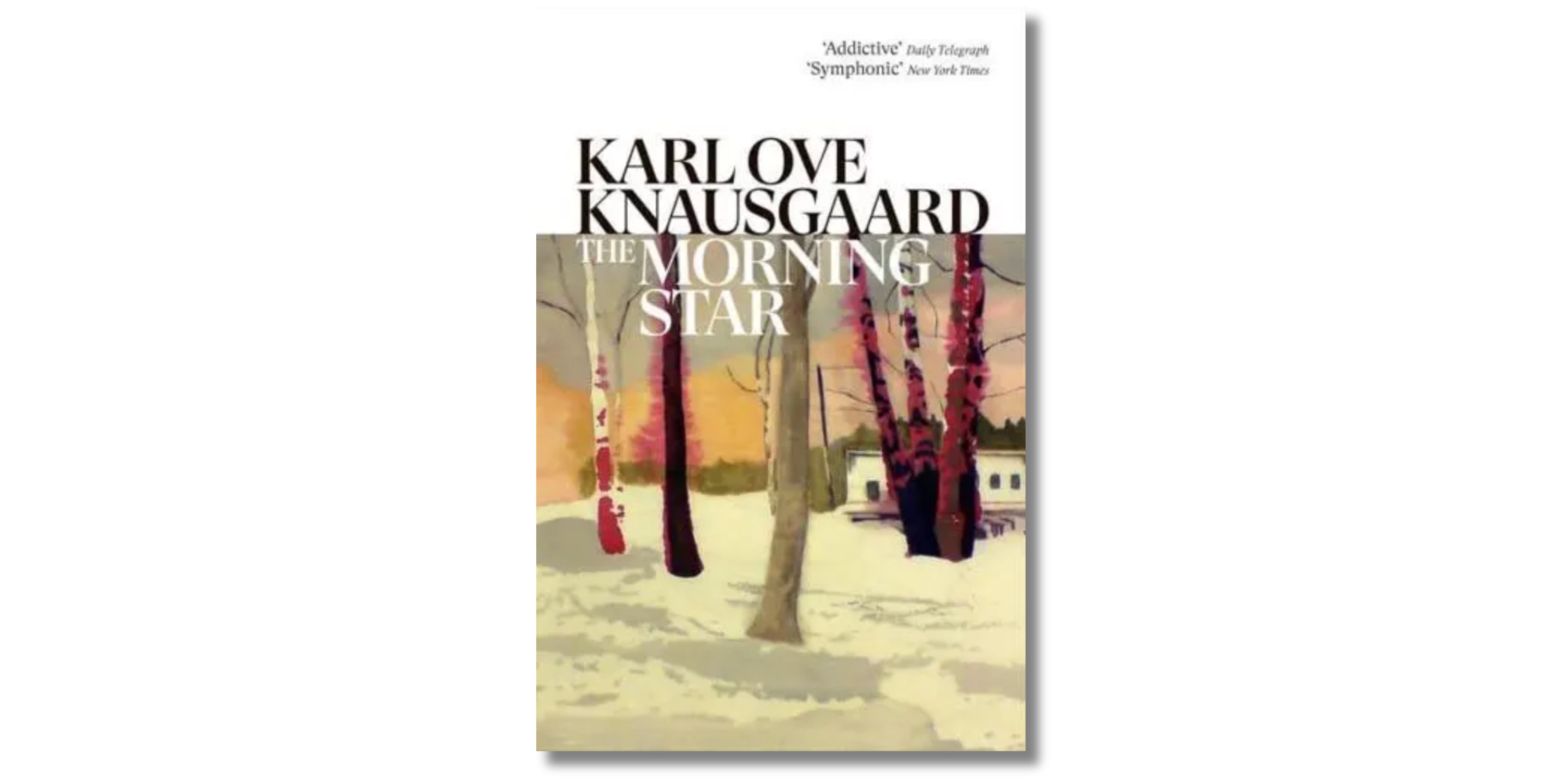
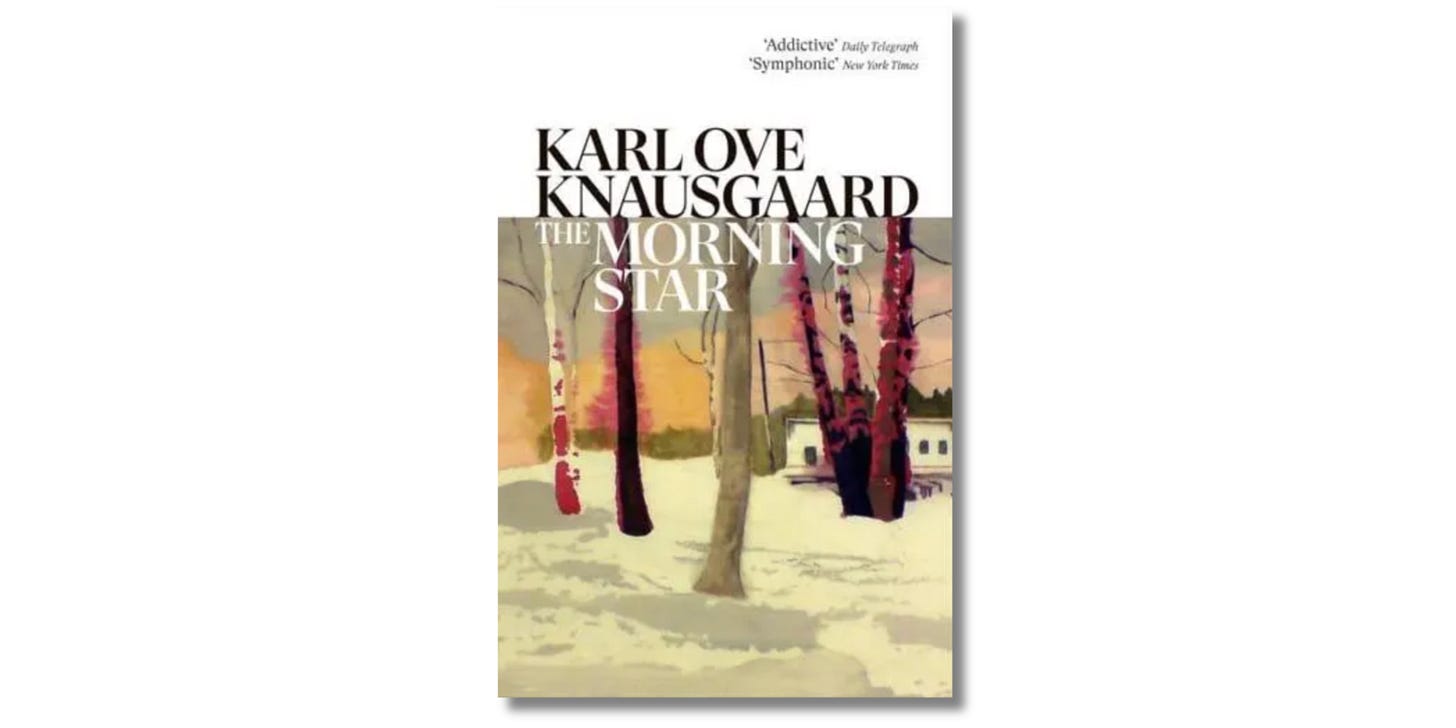
I often feel this way myself. I recently started reading The Morning Star by Karl Ove Knausgaard…finally. This is a book that many, many people have told me I would love, including my very own husband who read through the entire series earlier this year. And yet it has been sitting on my nightstand since January as I read through 80+ other books—some of which were quite bad and that I knew on some level weren’t going to be for me. Why did I read Yesteryear or Lady Tremaine when The Morning Star was right there? And, in this context, this isn’t a question about reading “better” or “more complicated” books—it’s about why books I think I will love are languishing on my shelves as I read books I only expect to be fine at best.
Today I’m going to unpack some of the reasons we readers might be saving the good stuff and offer some tips for readers who want to start prioritizing the good stuff.

We’re swayed by hype. This is the most obvious answer, right? We have a stack or shelf of list of books we’d like to read that we’ve built over the years, but the new and shiny releases distract us from our goals. For me, this is largely a desire to be part of the conversation. It’s not that I think these new books will necessarily be better than the ones haunting my TBR, but I like the idea of reading the books dominating the conversation while the conversation is occurring. personally find that this is the worst reason to forego the good stuff—reading books to be part of the conversation is how I often end up reading disappointing books. And yet, sometimes being part of the conversation is worth the price of reading a so-so book. And I mean this even when I’m not actively dialoguing about the book because I love to finish a book and then read ten different takes on it ranging from raves to pans.
We’re overcommitted. I know a lot of readers with overcommitted reading lives and they’re not just professional book people. Between book clubs, buddy reads, prize lists, reading challenges, and slow reads, reading in community and reading for a reason has permeated literary culture. I think all of this is great! But of course the more we add to our stacks of “assigned reading,” the less time there is for the books we’ve been meaning to read.
We’re waiting for the right mood. After a decade in the online literary space, the term “mood reader” has lost all meaning to me. At this point, I don’t actually know what people mean by it and I don’t even know what I mean by it. But I do know that there are books I’ve been putting off because I’m not in the right headspace or don’t have the required focus.
We’re trying to curate the ideal reading experience. Similar to waiting for the right mood to strike, sometimes we’re waiting for the perfect reading context to pick up that book we think we’ll love. There are some books that I would prefer to read in long uninterrupted periods of time, perhaps poolside for a rich people behaving badly story or blanketed and curled by a fire for a lengthy classic. I have mixed feelings about this one. Often when I finally accept that the ideal experience is not going to happen, I enjoy the feeling of sneaking in reading whenever and wherever I can. On the other hand, there are definitely books I’ve read that I know I would have liked more if I’d read them in different circumstances.
We want to know they’re waiting for us. There’s something wonderful about knowing we have books we will love waiting for us when we need them. Of course there is no shortage of books in this world and I’m not delusional to think I will run out of great books to read in my lifetime. But there’s something nice about knowing I still have Toni Morrison books to discover.
We don’t really want to read those books. Sometimes we are “saving the good stuff” but the good stuff is books we think we should read, not the books we genuinely want to read. Am I not reading War and Peace because I’m “saving it” or am I not reading it because I don’t really want to?
We actually don’t want to exclusively read books we love. I’m pretty confident that if I wanted to, I could exclusively read books I really liked. I know my own taste well enough, but more to the point, so many excellent books have stood the test of time long enough that I could pick from those and probably be in in good book territory for all my reading years to come. But that would eliminate the joy of risk and surprise, which, I think, make for the truly superior reading experiences. And I don’t really even want to love all the books I read. I learn so much from reading books that I don’t like and I feel like the truly great books reveal their greatness in part due to the contrast between them and the mid books. Plus I actually like reading books that are mid! I like zipping through a book that is just fine and then mostly forgetting about it. And I like hate-reading! It’s fun! Now it’s true that my job allows and requires me to read a lot, and I might not feel the same way if I read 20 books a year. But for now, I think part of what keeps me “saving the good stuff” is I don’t always want to be reading the best of the best.
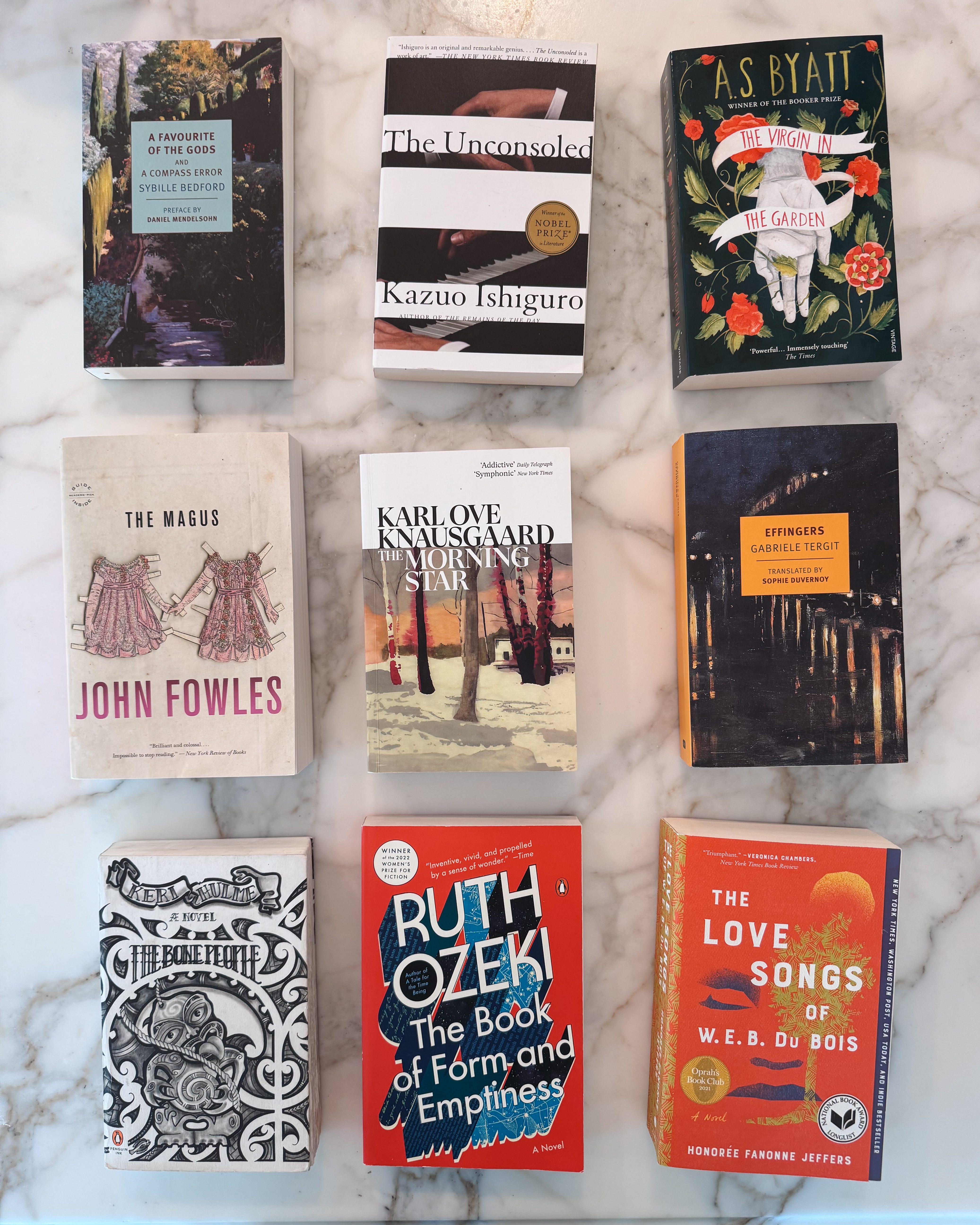

Determine if this is really a problem. Step one is to decide how much you really care about this issue. Sometimes I will see reading wrap ups filled with Booker contenders and translated titles and feel envious that I’m not reading like that. Or I’ll talk with friends who don’t think about the hype of new books at all and are reading all of the classics they feel like they’ve missed and think I should do something similar. But in truth, I mostly don’t want to read like that—I like having a mix of really excellent books and silly Jane Austen pastiche. “Don’t save the good stuff” could easily become another reading should if we don’t stop to consider if it’s truly something we want. But if you do look at your reading and notice that you aren’t actually reading the books you want to be reading, let’s adjust!
Discern the root causes. When we aren’t doing something we ostensibly want to be doing, it’s important to really sit down and think about the why. Once you know whether you’re avoiding these great-for-you books because you’re distracted by hype or overcommitted or you’re waiting for the right mood, you can adjust what you need to to fit those books in.
Tune down the noise. My guess is that most of us who feel like we are saving books we’d really love are doing so because we are overcommitted or distracted by shiny new releases (or whatever else is popular at the moment). If this is the case, we need to limit our literary inputs. If scrolling Instagram or listening to book podcasts or reading this newsletter is keeping you from reading what you most want to read, take a pause. They’ll be there for you when you’re ready for new recommendations. As for book clubs, consider what value they’re adding to your life. Personally, I love my two book clubs (the FM Literary Society and my in-person book club) for different reasons. The FM Literary Society allows me to go in depth on complicated books and appreciate books even when I don’t love them. My in-person book club is a way to routinely gather with my Denver friends and the books we choose don’t really matter so much to me. Both of these are good reasons to read in community even if the books aren’t my favorites of the year. If you’re committed to a ton of book groups, it would probably be a good idea to assess whether what they’re adding is worth the reading time they take up. I imagine most are! But there might be something you can let go of.
Keep your list front of mind. If the issue is more that you’re waiting for the right mood or occasion to read your “good stuff” books, the solution is a little fuzzier. What I do is set aside a mid-sized priority stack somewhere fairly visible. These are the books I really want to read but for whatever reason am not. Then when I have an uninterrupted stretch of time, am going on vacation, or some other idyllic reading situation presents itself, I turn to that pile and choose one. Sometimes I genuinely forget about the books I want to read and I need to keep them visible in some manner.
Choose one book. Because great minds think alike, I wasn’t surprised to see this note from while I was working on this newsletter.
It made me think that a great strategy for reading rather than saving the good stuff would be to just choose one book. Rather than becoming overwhelmed by all the books we’ve been saving for the right moment, just choose one and read it. That may or may not start a pattern, but at least you will have read one of those someday books you’ve been holding onto.
Establish a rhythm. I’m not very good at systematizing my reading, but if you are, now is the time. Maybe you pull aside the books you’ve been saving or meaning to read or are sure you’re going to love and decide to read one of them each month. Maybe you decide to introduce these books to your book club so you can multitask your reading. Maybe you make reading them a project. Or maybe you just audit your list every so often to remind yourself that these books are there for you and assess whether they are still of interest. Even if we continue “saving” the good stuff, having a rhythm to remind ourselves of what we have waiting for us can be a good reflective process.

Tell me your thoughts!
Do you ever feel like you’re saving books you’ll love and instead reading just so-so books?
Do you like having a mix of books you love and mid books in your reading life or do you want to be reading more of the good stuff?
If you find yourself saving books you really want to read, what do you think is the root cause? What do you think you’re waiting for or distracted by?
What is your best tip for reading more of what you love?
What is one book you’ve been meaning to read forever?
For questions, comments, or suggestions, please don’t hesitate to reach out by emailing fictionmattersbooks@gmail.com or responding directly to this newsletter. I love hearing from you!
This email may contain affiliate links. If you make a purchase through the links above, I may earn a small commission at no additional cost to you.
If you enjoyed today’s newsletter, please forward it to a book-loving friend. That’s a great way to spread bookish cheer and support the newsletter!
Happy reading!