

The family novel I've been craving
Thank you all so much for the enthusiasm surrounding the launch of the Paperback Summer Reading Guide and—more importantly—the incredible support for I AM ALS. I haven’t yet crunched the numbers, but we are looking at a donation of at least $6000 to support ALS research and assistance for those living with the disease. I can’t thank you enough for helping me remember my dad in this way. It means the world to me.
If you’re still interested in getting the guide, I’ll be donating all proceeds made through Friday, June 5th. If you want to contribute, but aren’t interested in the guide, will be hosting her monthly $5 Friday on June 5th to support I AM ALS as well.
And if you missed Traci and I chatted about the process of creating our reading guides, what summer reading means—and doesn’t mean—to us, and what we’re going to be reading now that our guides are done. You can catch the replay here:
This week in books.
This week I read…
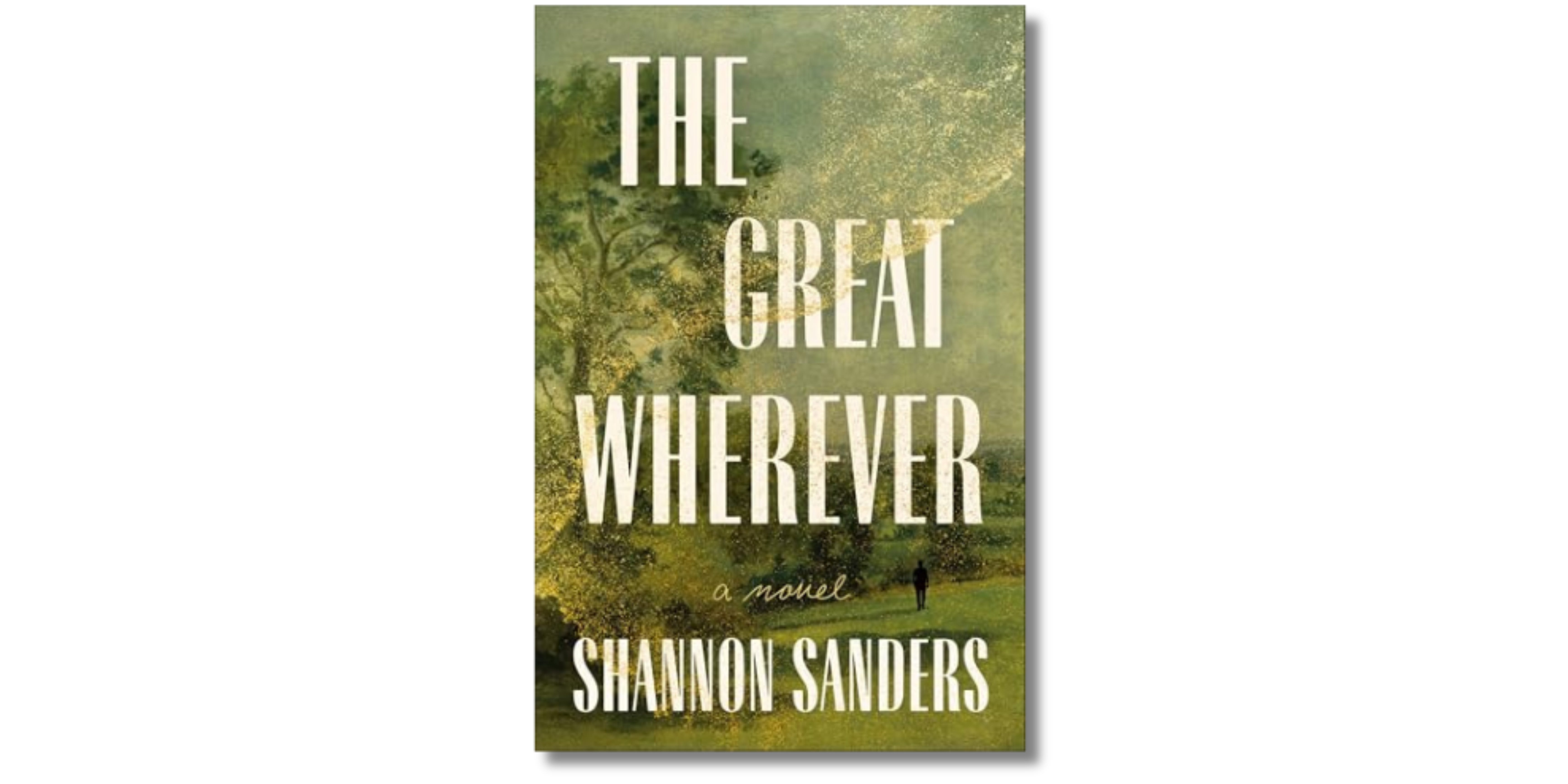
The Great Wherever by Shannon Sanders (out July 7). I am a sucker for a family novel. The intricacies and idiosyncrasies of familial relationships are endlessly fascinating. And because families are all so varied (there’s a quote about this, yes?), every family novel has the possibility to feel simultaneously familiar and singular. But as much as I love this type of story, I have to say that I’ve struggled to find truly great family novels in my new release reading. Other than a few standout gems in recent years—The Bee Sting comes to mind—I’ve worried that perhaps the novelty had faded, and I’d exhausted the genre.
Enter Shannon Sanders’s debut novel The Great Wherever, which is one of the best family novels I’ve read in years. The story primarily follows Aubrey, a 32-year-old working too many so-so jobs in Washington, D.C. while waiting for her wealthy boyfriend of four years to finally propose. Unfortunately for Aubrey, what she thinks is finally that engagement dinner turns out to be a break-up over a last meal leaving her future a major question mark. The derailment of her relationship leads Aubrey towards an overdue visit of a piece of property she inherited a stake in after the death of her father—a property originally purchased by her great-grandfather, one of the first Black landowners in the state of Tennessee. At first Aubrey thinks a quick sale of the land might be the windfall she needs to get back on her feet, but the distant relatives she shares ownership with all have their own opinions about that, as do the family ghosts who watch it all.
I love Sanders’s eye for detail, her inclination towards humor, and the skilled way she brings characters to life. But what makes this novel particularly memorable is the choices she makes with narrative voice. The novel is narrated by a gossipy ghost who lingers around her living ancestors, observing and judging every move. This ghost and her spirit compatriots have their own strong opinions about what their descendants should do with their land and their lives, and the resulting voice is delightful. The tone is warm and funny, giving the reader intimate insight on the family lore while also providing enough distance from the action of the plot to make it feel like a sweeping portrayal of a family. In the last couple years, I’ve become really interested in the choices writers make about narrative voice and I just love how much this (potentially risky!) choice adds to what Sanders is exploring about identity, family, and legacy. This book is out in early July, and I definitely recommend preordering, but if you want to sample her style (and meet Aubrey!) you should pick up the short story collection Company in the meantime. I’ll also be sharing a Books That Matter episode with Shannon Sanders the first week of July, so stay tuned for more! Bookshop | Libro.fm
Now I’m reading…
Now that my Paperback Summer Reading Guide is out in the world, I’m turning my attention to new releases. I just started Land by Maggie O’Farrell and its different from what I expected based on the blurb and reviews. Ultimately, I think that’s going to be a good thing, but I’ll have to keep reading to find out.
New on my TBR…
Like many readers, I think I’m going to need to revisit East of Eden before the miniseries drops. Anyone else in?
💬 Tell me about your week in books! What did you finish, what are you reading now, and what have you added to your TBR?
Further reading.
The Guardian released a list of the 100 Best Novels. I love a list and was excited for the rollout, but the presentation was lame and the whole thing kind of fizzled. I know some people were really upset about various placements, but to me it all seemed rather boring and expected. I have read 52 of the 100, but many of those were in college and I barely remember them. It did inspire me to try to pick up more classics in the back half of the year, which is always a good thing. (The Guardian)
released her Nonfiction Reading Guide on Friday. I find it difficult to discover the right nonfiction books for me because even though I might be interested in a subject, if the style isn’t to my liking, I get bogged down. The way Traci shares books always helps me figure out what nonfiction I actually want to pick up.
I really loved this year’s International Booker winner. It also doesn’t surprise me that a book about translation keeps winning the translated fiction awards! (NPR)
The NYT shared a Summer Reading Bucket List (gift link), and I’m thrilled to report that you can complete every item with a book from the Paperback Summer Reading Guide.

There are lots of fantastic summer reading guides, but The Atlantic’s might be the closest one to my personal taste—other than my own of course.
15 new books our critics can’t wait to read this summer. (NPR)
The best reviewed books of the week. (Lit Hub)
End notes.
There were several AI stories in the literary world this week. The one I found most concerning of where we’re headed is the Commonwealth Short Story Prize winner that appeared in Granta (Vulture). It brings up so many questions. Can we spot AI writing? Do we even know what good writing is anymore? Must we be suspicious of everything we read now? I appreciated what Vauhini Vara had to say about it in this piece as well (Atlantic, gift link). As a fiction writer and reporter, she’s one of my most trusted voices on this issue. Is any of this impacting your reading life? I’d love to know how readers are thinking through all of this.
For questions, comments, or suggestions, please don’t hesitate to reach out by emailing fictionmattersbooks@gmail.com or responding directly to this newsletter. I love hearing from you!
This email may contain affiliate links. If you make a purchase through the links above, I may earn a small commission at no additional cost to you.
If you enjoyed today’s newsletter, please forward it to a book-loving friend. That’s a great way to spread bookish cheer and support the newsletter!
Happy reading!
Sara