The psychological warfare of being a debut author
I believe all of us who read are fascinated by authors; their talent, status and the mystery that surrounds the artistic choices they make. But most pertinently, we wonder what it is like to create a world that was once just for you, but can now be accessed by anybody? This is a question that historically held much more of an enigma than it does now. Social media and the rapidly changing publishing industry means that the job of ‘author’ is becoming increasingly transparent. While it has always been an expectation of any artist to advertise their work, the landscape they are now doing it in is very different.
I often think about the role I play in inadvertently marketing books. I try my best to not let it affect my identity as a reader, and the service I provide in critically discussing books. But I am always curious about what it is like to watch your book travel the amorphous landscape of the internet, see where it lands and how people choose to talk about it. The longer I write this newsletter, the more ‘insider’ knowledge I gain from friends who work in, or adjacent to, publishing. Many can attest to the several messages I send asking how the cogs of the machine work, what they think about certain book coverage but most crucially, how it feels to release work into the ring of public opinion.
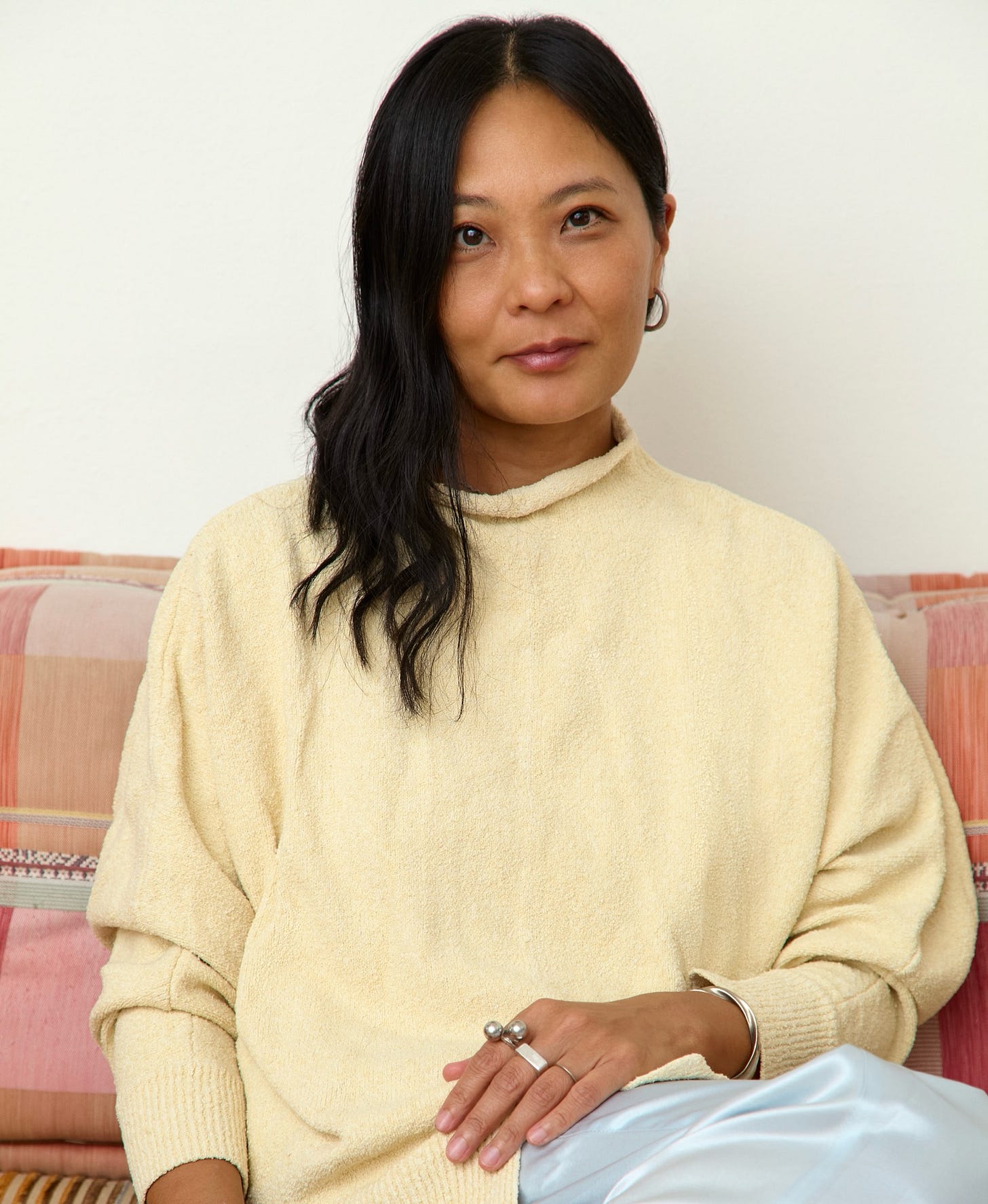
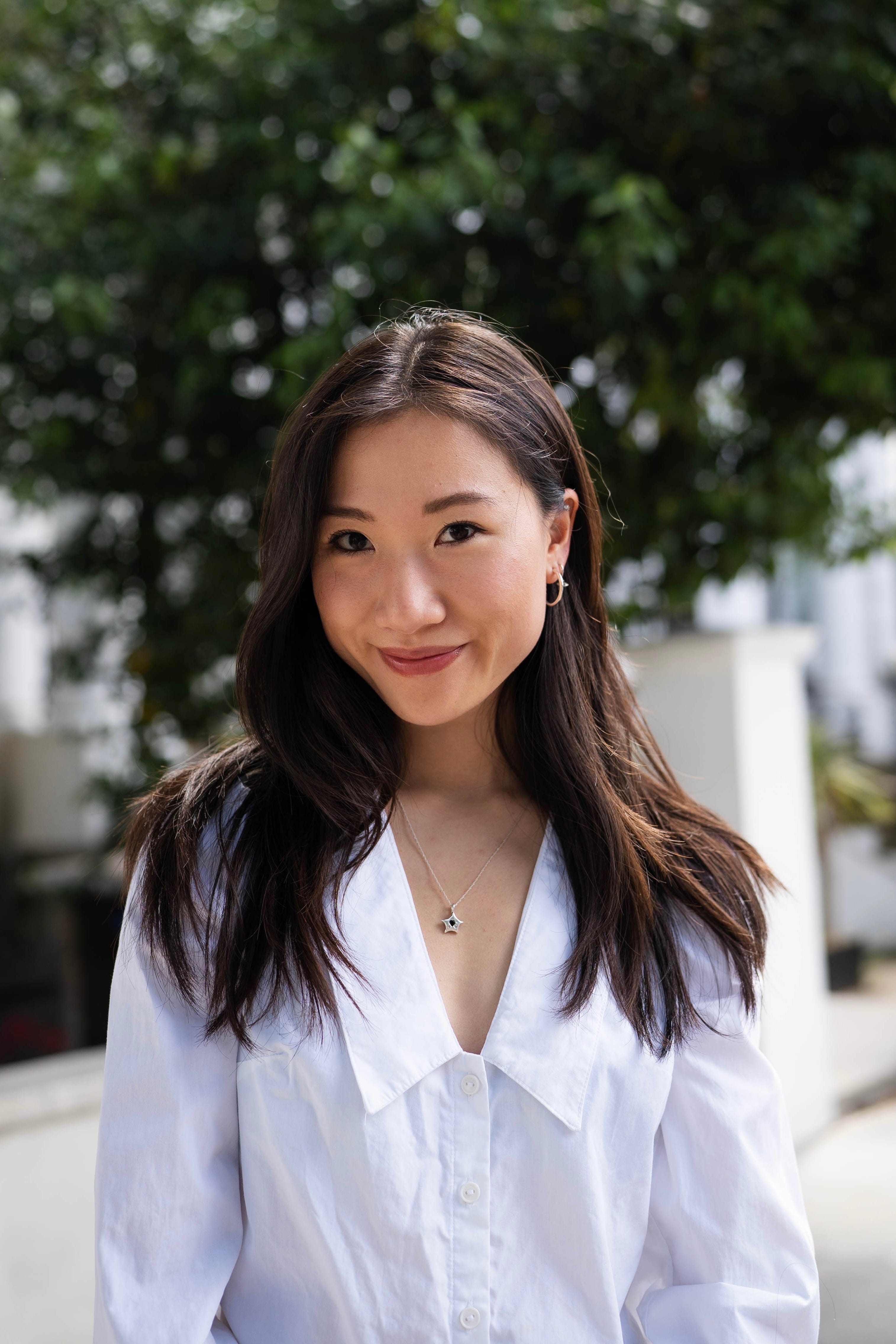
Yu writes the newsletter Blue Hour, has spoken about books online for years and used to work in publishing. Now he finds herself on the other side, about to become a published author. It has been strangely fascinating to witness her identity shift from reader to writer. At the beginning of June, Stacey shared a spontaneous rant on her close friend’s story (for those unaware, it’s an Instagram feature that allows you to communicate with a select few people) which contained an unflinching honesty I hadn’t witnessed from her before. I was immediately hooked. In the safety of speaking to those she trusted, Stacey said;
‘Being on social media as an author is daily psychological warfare I’m not even exaggerating [...] the unpredictable exposure to your book and other people’s books and publishing snark and insipid book drama and media vulturing it is so unbearable and anathema to creation and growth, not to mention the absolutely ego-twisting ordeal of self-marketing 24/7 and feeling like that’ s part of your package as a young writer’
Stacey’s admission about how it feels to be on the precipice of becoming a debut author, and her first experience of being subject to the court of public opinion, intrigued me. She graciously agreed to let me question her to uncover what it feels like to contend with the shifting identities of being a reader, writer and marketer. What began as a frustration expressed between friends transformed into an unplanned, but poignant discussion about the expectations of an industry we are both involved in, professionally and passionately.
Below is a condensed version of our conversation, I do hope you enjoy it.
What did you mean by the phrase ‘psychological warfare’?
I meant exactly what it implies! I believed I knew what I was signing up for, and that there was an expectation of what I would bring to the table as a debut with social media presence. But I was tip-toeing around coming to terms with how much it was affecting me. I believed I could push through it, especially because it is such a privileged position to be in. But it was confronting to realise how difficult it was.
The gap between how comfortably I present myself online, and how I really felt about it, was becoming increasingly unavoidable. I realised how much I was struggling when I started to get tagged in reviews, good and bad, and the constant pressure to engage with them emerged. It dawned on me that I have no control over how I, or the book, is perceived, and reckoning with the weight of that was a lot. It tugs on all my worst impulses, the anxious, insecure, jealous parts.
What is it like having to market something so personal that you created?
I do find marketing a fun challenge sometimes, but the fact that it is my own work is difficult. It is much easier to talk about other people’s work, and do it justice, rather than my own. When I was writing, I wasn’t thinking about readership. Every stage of being an author is just reminding people you exist and why they should care, and that part is exhausting. That is the psychological warfare of it all. As a debut author I am aware of the specialness of this position, and it won’t be repeated again.
You said that ‘it was a shock to discover that after I’d written my novel, I had to learn it all over again’ which surprised me. I think readers can assume that authors know their work inside out, but that is obviously not the case?
You learn that when you start querying your book. There is a whole different language when speaking to agents compared to the broad, external market. With agents it’s about their taste and trying to position it within the current market. There is a lot of industry knowledge already there, so the language is easier to access. But with a broader audience you have to be able to summarise it so succinctly and commercially. It took me a while to be able to articulate why anyone should read it, or care.
It is strange to think that traditionally, marketing was something that was entirely separate, but now it is so expected from you; to be both a writer, and a marketer.
People think now you can’t get a deal without a platform - which just isn’t true. There are deals happening everyday with authors who have no followers. But I think there is an expectation for debut authors to promote themselves. I am constantly measuring myself through the lens of this invisible audience on social media, but also the industry and how they’ll see me if I don’t impress them. I’m always thinking about market forces and how much value I have to the market. I’m aware I have a lot of value right now because I haven’t proven otherwise yet. Having to market yourself is both a huge burden and opportunity, and there was no world in which I was going to sit back and let the publisher do it all.
Do you feel it affects how you’re writing your second novel now?
It’s definitely hard to write alongside doing so much marketing. I’m finding it difficult to do anything creative, including reading. I used to feel pressure to finish my second book before Kitten came out because I felt so scared of what it would do to me psychologically. I used to think I would crumble if anyone didn’t like my book. But now, I’m like whatever. I’ve felt what it’s like to have that anxiety realised, and it’s not that bad. I’m really ready to return to writing again once Kitten is out.
I think the anticipation of being perceived is always much worse than the reality of it. Did you, like many do, over-romanticise the idea of being an author?
I did. Not as a career, but in a sense that if I wrote my first book, and sold it, I would be happy and it would fix everything. When we were sitting in submission, which is its own kind of psychological warfare , I had the very naive realisation that this (publishing a book) wasn’t going to magically make me happy. In fact, it would unlock new ways for me to be unhappy. [laughter] I romanticised that it would make my life more my own, and in some ways it really has. Before I started writing Kitten, there was such a pressure I felt internally constantly…
When you know you have an idea in you, the internal pressure can become immense. Because you know that all that is standing in the way of it materialising is yourself.
Genuinely! Not writing was so much more painful than the reality of letting it hang over me. It sounds so dramatic. When I was just clocking in and out of work, going about my normal life, I felt like I wasn’t being myself and it was horrible. Whereas with writing, everything about it is difficult (not to mention the marketing and self promotion of it), but I feel so much more myself now than I did before. That’s something that writing the book has given me, and it has made my life better, even if some aspects of it are painful.
It’s interesting to think about the relationship between reading and writing, and who you’re performing both of those for. How does having to market yourself threaten both of those identities?
For me it’s still separate. When I’m writing, I don’t think of the reader, I’m only focused on the sentence.That’s how I only ever want to write. Some authors write beautiful books with a reader in mind, but right now for me that doesn’t work. It might change. But I see marketing as a different beast entirely.
How has your identity as a reader changed now you are an author?
There was definitely a shift. When I decided I wanted to write a book, I knew I had to take my reading more seriously because they are symbiotic. I felt I needed to read more widely, and be more intentional about what I was reading, because whatever you read affects how you write. It all matters. A lot of writers won’t read contemporary stuff, but then they can’t situate their book within the market and that’s a real gap. If you’re not reading contemporary, how do you know if what you’re writing is any good, and what makes you think people will read your book? Everything I read now, I read with more intention and it feels so much more personal to me.
But I’m only starting now to be able to read from a more measured place. Negotiating the line between being open to influence, and actively reading to be influenced, to learn and be inspired which can turn to mimicking, is a line no one ever really knows. For example, while I was actively writing Kitten, I only really read non fiction. I did re-read fiction books I loved, for some reason I felt like I had already absorbed them. They were safe to me.
Do you feel like you’ve lost your ability to be vocally critical about other books now? You’re nodding…
Yes. I’ve taken a backseat on it. I don’t review contemporary books unless I really, really like them because publishing is such a small world and I don’t want to burn any bridges. It’s given me a lot more empathy for authors and reviews I might have written in the past. There is a difference between shitting on a book and doing it for engagement, and actually reviewing it, which is a service to reading in general.
I think that quite violent panning of a book is something so distinct to ‘social media’ book content, rather than ‘reviews’. Which links us back to the psychological warfare of it all. Criticism is not inherently psychological warfare, but the relentless, unregulated exposure to it, is.
It’s because of the algorithms. They incentivise flat, easily digestible and highly emotive content. So things like ‘this book sucked’ will appease the algorithm, get more engagement, and become a feedback loop. With reviews on social media, I find there are two layers. The first is where people are using their review to almost communicate themselves, or prove their own worth or morality in a way. People sometimes put their ego before the book.
It seems as though the modern reader cannot separate their emotional relationship with a book sometimes…
I think it’s because that’s how we’re trained to respond to things these days. We all respond emotionally to things before we think about them in a more critical lens.
Which links back to your wording of ‘ego twisting’..
Yes because it trains me as an author to place value on those reviews too and speak to those emotional elements when I am marketing a book.
Do you ever wish you were an author in an era where you didn’t have to deal with this?
Actually, no! I think it comes down to intersectionality, the idea that 50 years ago I couldn’t have published this book. Even 10 years ago as an Asian American author, all the books that were getting picked up were exclusively about race and identity in a very flat way. I’m grateful to be writing in a time where people aren’t saying that to me. It would be nice to live in a world where I didn’t have to have such a heavy hand in promoting it, but social media isn’t the first iteration of promotion - that has always existed. It has always been the task of an author to promote what they have written. It just looks different now.
Does the permanence of a book feel at all uncomfortable?
I don’t think I’ll ever open [Kitten] again. I last read it in the final copy-edit, when I was sick to death of it, this January. I’m afraid of what I’ll find, a sentence I could tighten up. That was a big fear while I was writing, that I would tire of the book in years to come. But Zadie Smith famously hates White Teeth, and it’s still a beloved book!
I think I’m coming to terms with the fact that yes it is permanent, and yes that is terrifying, but I’ve done it anyway. Every novel or piece you write makes you a different writer, and informs your next piece of writing.
It’s strange you can have so much distance from it while it is also imbuing everything in your life because it is about to come out. But you haven’t read the book in so long, so you’re slightly unfamiliar with it, even though you wrote it! That’s meta.
It’s true. I’m talking about the book so much, but in many ways I am further from it than I ever have been. But I think that makes it easier. If you asked me last September what the book was about, I think I would have burst into tears. [laughter] I would’ve been too close. But the distance makes it easier to see and describe.
At the time of talking, the book comes out in three weeks. Do you feel like you’re teetering on a precipice?
Yes. I’m looking forward to being on the other side, this experience has been so crazy. I have been acting abnormally this year - being way more impulsive and scattered than usual - because of how strange this experience is. The period before the book comes out, nothing is really happening - there are no reviews, you can’t really do anything. I was speaking to my agent the other day and she said in the industry we like to joke ‘the calm before the calm’, because most times when your book comes out, nothing happens anyway! I find that helpful. The difference Kitten has made to my life has already happened. Writing it was the most important thing to me, and everything that happens afterwards is an unexpected benefit.
Kitten is out on 30th July in the UK and 4th August in the US. Pre order here. If you’re interested, you can find my review of Kitten here.
Stacey’s Reading List:
In translation:
‘Kitchen’ by Banana Yoshimoto, translated from the Japanese by Megan Backus
‘Siblings’ by Brigitte Reimann, translated from the German by Lucy Jones
‘Clean’ by Alia Trabucco Zerán, translated from the Spanish by Sophie Hughes
‘The Wall’ by Marlen Haushofer, translated from the German by Shaun Whiteside
Thank you for reading! You can find Stacey’s website here, instagram here and newsletter here.
Let me know if you enjoyed this peek behind the curtain of what it feels like to be waiting for your first book to be released into the world! I am interested to know if anyone is as curious about the relationship between the identities of reader, writer and marketer as much as I am.