
Reading in Public No. 97: My approach to reading poetry
As you avid readers probably know, April is National Poetry Month. I know poetry can be a difficult form to read and enjoy, and I am certainly no expert in it. But I have found that reading poetry can be incredibly meaningful and personally fulfilling—it all comes down to figuring out your personal approach.
I spend a lot of time defending English teachers on my platform, but I will admit that how we read poetry in school dampens many people’s appreciation for it—and I include myself in this critique. For very good reason, English teachers often use poetry as a vehicle for teaching literary devices, but the focus on locating these devices can detract from the impact of poetry as a form. While I do occasionally enjoy analyzing a poem line by line, the focus on this type of explication can communicate that that is the right way or even the only way to read poetry. English class also introduces us to a lot of wonderful foundational poetry whose archaic language can be a barrier to entry. But while a requirement of poetry is care and concern for every word on the page, those words don’t have to be inaccessible.
Today I’m sharing my approach to reading poetry. This is what works for me, and perhaps some of it will speak to you as well. If you have a poetry practice, poem, or poet you love, please share them with us in the comments below!
My approach to reading poetry
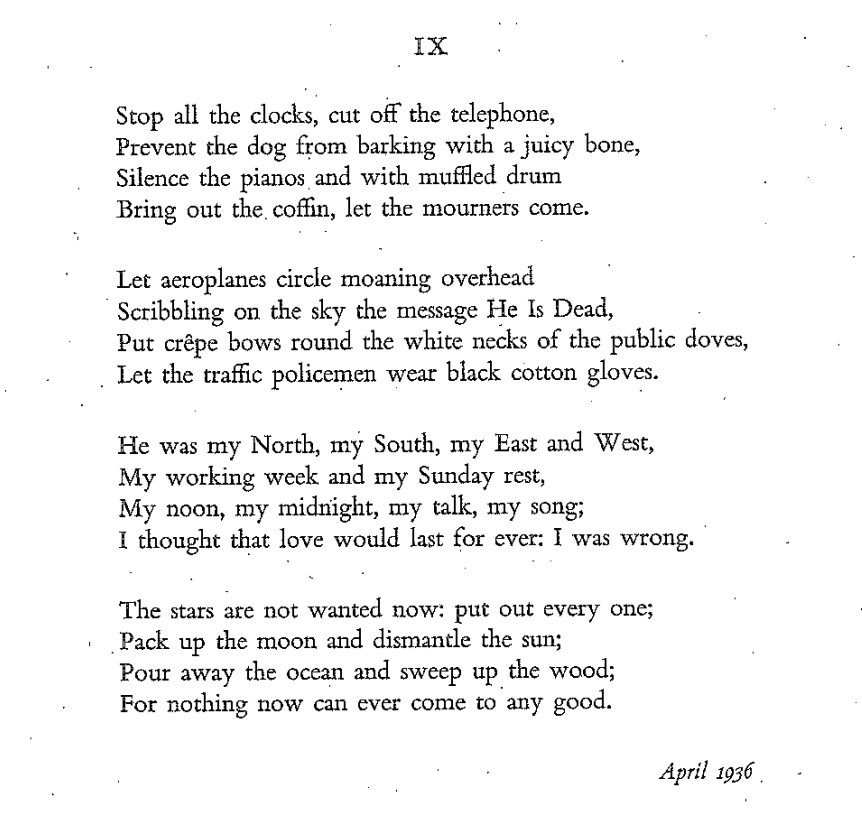
I choose poetry collections the same way I choose novels. One thing that keeps people from reading poetry is not knowing where to start. Perhaps there are famous names you know and think you should read, but just like reading a classic novel because you think you “should,” this is usually not the best approach. What I’ve found works for me—and this is groundbreaking, I know—is reading poetry that covers topics I enjoy when reading fiction. For example, I love myth and fairytale retellings so it is no surprise that Carol Ann Duffy’s The World’s Wife is one of my favorite collections of poetry. I also love novels that explore time and memory, which might explain why WH Auden is one of my favorite poets. If there are themes, topics, or tones you enjoy in your fiction, try searching for poetry that covers similar ground. If you like books about motherhood, love stories, family dramas, history—trust me, there are poems for you! My other method for choosing poetry is by identifying people with similar taste to myself. At this point, I have a couple of people who I actually get poetry recommendations from because I trust their recommendations on poetry specifically. But generally, if I tend to like the same novels as another reader, I jump on it when they recommend a poet. While it’s certainly possible to share poetry taste with someone whose prose taste you wildly disagree with, I wouldn’t recommend beginning a poetry journey on the recommendations of a reader who doesn’t generally like what you like.
I don’t worry about reading entire collections. Before this week when I read a collection of poetry from front to back in a single sitting, I can’t remember the last time I read an entire poetry collection from cover to cover. That’s why you don’t ever see collections of poetry reviewed in my newsletter in spite of the fact that I do enjoy reading poetry! I do not feel obligated to read an entire collection. I like to flip through and read whatever grabs my attention and may end up reading a single poem multiple times without every finishing the book. A couple of key things here. First, some poetry collections demand to be read in order and in full, and that’s great. These tend to be more narrative collections where I’d miss something if I did my flip through method. I try to pay attention and read the collection the way it’s asking to be read. Second, not finishing a collection might be an annoyance for you if you care about counting books read. If this is you, I’d recommend limiting yourself to a poem or two a day so you still get to savor each and find the ones that really speak to you. If anxiety about finishing is an issue, there are also plenty of amazing online resources for reading poetry—one poem at a time. My favorite is definitely Poem a Day which is a great way to be introduced to the work of contemporary poets.
I look for one thing I like. Not every poem grabs me enough to read it multiple times or resonates with me in a way I’ll remember. In fact, most don’t. But in every poem there is something I like or am interested in. It could be the way the author split the line or a particular image they used or a pair of words I’d never seen together or the way they captured a feeling linguistically. Every time I note something that I like in a poem, it makes me excited to read more poetry and makes me a more attuned reader of prose. I love that reading poetry forces me to pay attention to language, but focusing on what I like instead of what I think is “important” allows the reading experience to be more personal and less analytical.
I’ve stopped asking, what is this really about? I admit that I love a good poetry explication, and I remember having my mind blown by breaking down various Romantic and Victorian poets in sophomore year English. But not every poem needs (or wants) to be read in that manner. Sure, I still find poems that are clearly operating on a figurative level and I’ll see what meaning I can make with multiple readings and analysis. But this isn’t how I read most poetry now. Instead of asking what is this really about, I now ask, what effect is this having on me? This encourages some amount of reflection and analysis without forcing myself into that English classroom practice of mining a poem to get it “right.”
Now that I’ve shared my approach, I’d love to know about your favorite poems! What’s a poem you love? When did you encounter it? Do you like reading poetry in general? Why or why not?
If you enjoyed this post, you might like:
For questions, comments, or suggestions, please don’t hesitate to reach out by emailing fictionmattersbooks@gmail.com or responding directly to this newsletter. I love hearing from you!
This email may contain affiliate links. If you make a purchase through the links above, I may earn a small commission at no additional cost to you.
If you enjoyed today’s newsletter, please forward it to a book-loving friend. That’s a great way to spread bookish cheer and support the newsletter!
Happy reading!
Sara
You might also enjoy

Friday Mood Recs: Six books to read while coming down from your Artemis II high

Seven bookstores within five miles
LA Times Festival of Books Q&A
Every garden is a community garden

Books to read when you're sad